


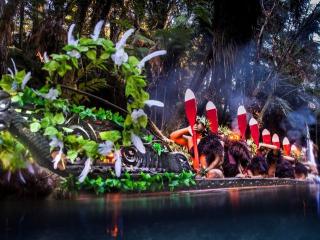
Experience our culture firsthand and learn more about what it means to be Maori, the indigenous people of Aotearoa.
Māori Culture
Looking for Māori culture in Rotorua? You've arrived at the perfect resource. Māori are the tangata whenua (indigenous people of the land) of New Zealand, and Rotorua is recognised as the beating heart of Māori culture. The local Māori people delight in sharing their heritage with visitors and will enrich your experience wherever you go. Encounter the warmth, proud spirit, deep sense of history and quick humour that is this culture.
Rotorua's Māori communities welcome visitors to experience living culture through performances, marae visits, and shared meals. Local iwi (tribes) maintain strong connections with the land and geothermal features that have sustained them for generations. From the powerful haka to the artistry of carving and weaving, cultural experiences here are authentic and meaningful. The legendary hospitality Māori people are renowned for creates genuine connections beyond simple tourism.
Our directory connects you with Rotorua's Māori cultural experiences and welcoming communities. Whether you're seeking to understand New Zealand's indigenous culture, wanting to meet the people and hear their stories, or hoping to experience genuine Māori hospitality, you'll find opportunities throughout Rotorua to engage respectfully with living culture, meet the house, meet the people, and carry these connections with you.
Featured Māori Culture Listings
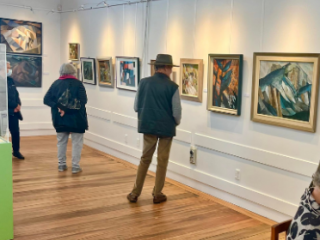
THE ARTS VILLAGE
Vibrant, creative community where everyone who wants to participate in the arts, can. Come check us out
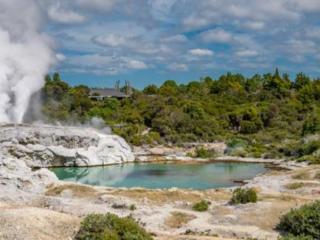
WHAKAREWAREWA VILLAGE
Insights about Maori culture and to see how we utilize natural geothermal marvels for cooking, bathing, and heating.
Māori Culture Map
Cultural Performances and Storytelling
Cultural performances share the living traditions of Māori people through song, dance, and story. The powerful haka expresses warrior spirit and tribal pride. Graceful poi dances tell stories through rhythmic movement. Waiata (songs) carry the voices of ancestors and contemporary experiences. Performers share not just movements but the meanings behind them, the stories of their people, and the continuation of traditions passed down through generations. These aren't shows but invitations into cultural knowledge, shared with pride and aroha (love). The performances you witness are part of living traditions that continue to evolve whilst honouring the past.
Marae Visits and Pōwhiri
Visiting a marae offers profound connection with Māori culture and community. The traditional pōwhiri (welcome ceremony) is an invitation onto ancestral land, following protocols refined over centuries. Through karanga (calls), whaikōrero (formal speeches), and hongi (the sharing of breath), visitors are welcomed as manuhiri (guests). The wharenui (meeting house) represents ancestors, with carvings telling family stories. Local people share the significance of their marae, explain their whakapapa (genealogy), and invite you to understand their connection to this place. This hospitality transforms visitors into guests of the house, creating relationships that honour both cultures through respectful encounter.
Sharing Kai - The Hangi Experience
Sharing food is central to Māori hospitality, and the hangi represents both traditional cooking and the spirit of manaakitanga (hospitality). Food cooked in earth ovens using heated stones carries flavours of the land. Sitting down together to share kai (food) continues the ancient tradition of bringing people together. The meal becomes conversation, laughter, and connection. Local people share stories over food, explain traditional preparation, and extend the warmth that is characteristic of Māori culture. The generosity of sharing kai reflects values of community and caring for guests that remain strong in Māori communities today.
Traditional Arts - Whakairo and Raranga
Māori artistic traditions carry deep cultural knowledge and spiritual significance. Whakairo (carving) tells stories in wood and stone, with each design element holding meaning. Raranga (weaving) creates functional beauty from harakeke (flax). These arts aren't just crafts but expressions of whakapapa (genealogy), connection to place, and cultural identity. Local artists generously share their knowledge, explaining symbolism and demonstrating techniques passed through generations. Meeting the artists and hearing their stories reveals how traditional knowledge continues to thrive, adapted by each generation whilst honouring those who came before.
Cultural Centres and Living Culture
Cultural centres throughout Rotorua are spaces where Māori culture lives and breathes. Places like Te Puia and Whakarewarewa aren't museums but living communities where people maintain daily cultural practices. Visitors are welcomed to observe and learn how culture continues in contemporary life. The geothermal features that define Rotorua have sustained Māori communities for centuries, used for cooking, heating, and healing. Local guides share personal stories, family histories, and the ongoing relationship between people and land. These experiences reveal culture as something living and evolving, not preserved in the past.
Meeting the People
The heart of cultural experience is meeting Māori people and hearing their stories. Local guides, performers, artists, and community members generously share their culture, histories, and perspectives. Through conversation and genuine interaction, visitors discover the quick humour, proud spirit, and deep connection to heritage that characterises Māori people. These personal connections transform understanding from abstract knowledge to human relationship. The warmth extended to visitors reflects cultural values of manaakitanga (hospitality) and aroha (love and compassion). Many visitors find these personal encounters the most meaningful part of their experience.
Te Reo Māori - The Language
Te reo Māori is a living language experiencing revitalisation and renewed pride. Hearing the language spoken connects visitors to cultural identity and worldview. Many cultural experiences include opportunities to learn basic greetings and phrases. Understanding even simple words like kia ora (hello), aroha (love), and whānau (family) opens doors to deeper connection. Local people appreciate visitors' efforts to use te reo, however basic. The language carries concepts and values that English cannot fully express, offering insights into Māori ways of understanding the world.
Stories of the Land
Māori connection to the land runs deep through centuries of occupation and spiritual relationship. Local people share traditional stories explaining how natural features came to be, the significance of geothermal activity, and the ongoing relationship between people and place. These aren't just legends but living knowledge that continues to guide relationships with the environment. Understanding these stories reveals different ways of knowing the land, seeing it as ancestor and relative rather than simply landscape. The generosity with which these stories are shared invites visitors into deeper understanding.
Cultural Values and Tikanga
Understanding Māori cultural values enriches all encounters. Manaakitanga (hospitality), aroha (love and compassion), whanaungatanga (relationships), and kaitiakitanga (guardianship) guide interactions and behaviour. Tikanga (protocols) aren't arbitrary rules but expressions of respect and proper relationship. Local people generously explain appropriate behaviour, helping visitors engage respectfully. This guidance comes from desire to share culture properly, not to restrict or judge. Learning these values often resonates with visitors' own cultural concepts of respect, community, and caring for others and the environment.
Contemporary Māori Life
Māori culture today is vibrant, evolving, and forward-looking whilst maintaining strong connections to tradition. Young Māori balance modern life with cultural identity, speaking te reo, practising traditional arts, and carrying forward ancestral knowledge in contemporary contexts. Understanding Māori culture means recognising it as living and dynamic, not frozen in the past. Local people share how traditional values guide contemporary decisions, how cultural practices adapt to modern circumstances, and how Māori identity remains strong and proud. This perspective reveals culture as something alive, relevant, and continuing into the future.