


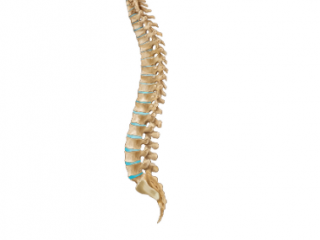
Welcome to Duncan Stroud Osteopath located in Rotorua. Massage and soft tissue manipulation are part of osteopathic treatment.
Osteopath
Looking for osteopaths in Rotorua? You've arrived at the perfect resource for finding registered osteopaths providing hands-on treatment for musculoskeletal conditions. Whether you're dealing with back pain, sports injuries, headaches, or chronic pain, Rotorua's osteopaths offer professional care addressing underlying causes rather than just symptoms.
Osteopathic treatment uses manual techniques to restore balance, improve mobility, and support your body's natural healing capacity. Registered practitioners take whole-body approaches, considering how different areas affect each other and your overall wellbeing. Our directory features qualified osteopaths throughout Rotorua, helping you locate experienced professionals for comprehensive musculoskeletal care.
Featured Osteopath Listings
Osteopath Map
What Osteopathy Involves
Osteopathy is manual medicine treating musculoskeletal problems through hands-on techniques. Osteopaths believe body structure and function are intimately connected—when alignment is optimal and movement unrestricted, bodies function better and heal more effectively. Practitioners examine how bones, muscles, ligaments, and connective tissues work together, identifying restrictions or imbalances causing pain or dysfunction. Treatment techniques include soft tissue massage releasing muscle tension, joint articulation improving range of motion, high-velocity thrust manipulation restoring joint mobility, muscle energy techniques using controlled muscle contractions, and cranial osteopathy employing gentle pressure particularly suited for sensitive patients. Initial consultations typically last 45 to 60 minutes, including detailed history-taking, physical examination, and treatment. Follow-up sessions usually run 30 to 45 minutes. Treatment frequency depends on your condition—acute injuries may need several close sessions initially, chronic conditions often benefit from regular maintenance care.
Back and Spinal Pain Treatment
Back pain is the leading reason people consult osteopaths, affecting eight out of ten people sometime during life. Osteopaths treat acute back injuries from lifting, twisting, or accidents, plus chronic pain developing from poor posture, repetitive strain, or degenerative changes. Assessment examines your spine, posture, movement patterns, and pain triggers, looking beyond the immediate pain site to identify contributing factors elsewhere. Treatment combines techniques releasing tight back muscles, improving spinal joint mobility, addressing pelvic alignment affecting lower back, and correcting postural imbalances. Osteopaths also assess ergonomics at work or home, suggest modifications reducing back strain, and prescribe exercises strengthening supporting muscles. Many patients experience significant improvement within a few sessions, though chronic conditions may require longer management. Osteopathy effectively treats lower back pain, mid-back pain, sciatica, disc-related problems, and postural pain. Techniques are gentle enough for elderly patients yet effective for acute injuries.
Neck Pain and Stiffness
Neck pain and stiffness commonly result from poor posture, whiplash injuries, stress-related muscle tension, or degenerative changes. Modern life—particularly prolonged computer use and smartphone viewing—places significant strain on neck structures. Osteopathic assessment examines neck mobility, muscle tension patterns, upper back and shoulder involvement, jaw function if relevant, and postural alignment. Treatment releases tight neck and shoulder muscles, improves cervical spine joint mobility, addresses upper back restrictions affecting neck, and corrects postural habits contributing to problems. Osteopaths use various techniques depending on your condition and comfort—some patients benefit from joint manipulation producing characteristic clicking sounds, others respond better to gentler mobilisation techniques. Treatment often extends beyond the neck itself, addressing related areas like shoulders, upper back, and jaw. Osteopaths provide exercises improving neck strength and flexibility, plus ergonomic advice for desk workers. Most neck problems improve with osteopathic care, though severe conditions like disc herniations may require medical referral.
Sports and Exercise Injuries
Athletes and active individuals frequently use osteopathic care for injury treatment and performance optimisation. Osteopaths understand biomechanics and movement patterns, identifying factors predisposing to injury or limiting performance. Common sports injuries treated include ankle sprains, knee pain, shoulder problems, tennis elbow, Achilles tendinopathy, and muscle strains. Treatment addresses acute injury management, rehabilitation supporting tissue healing, correcting movement dysfunctions, preventing compensation patterns, and facilitating safe return to sport. Osteopaths assess not just the injured area but whole-body mechanics—foot problems might relate to hip weakness, shoulder injuries often involve thoracic spine restrictions. Treatment combines hands-on therapy reducing pain and inflammation, restoring normal joint and muscle function, with rehabilitation exercises progressively loading healing tissues. Many osteopaths have sports medicine interests, some working with sports teams. Regular osteopathic maintenance helps athletes stay injury-free, address minor niggles before they become problems, and maintain optimal biomechanical function.
Headaches and Migraines
Many headaches have musculoskeletal components responsive to osteopathic treatment. Tension headaches typically stem from neck and shoulder muscle tightness, often related to stress, poor posture, or prolonged computer work. Cervicogenic headaches originate directly from neck joint or muscle problems, with pain referring into the head. Some migraine sufferers find osteopathy reduces attack frequency or severity, particularly when neck tension triggers episodes. Osteopathic examination assesses neck mobility and muscle tension, upper back and shoulder involvement, jaw function and temporomandibular joint problems, and postural habits. Treatment releases tight muscles in neck, shoulders, and upper back, improves cervical spine mobility, addresses jaw tension if present, and corrects postural issues. Many people experience fewer, less intense headaches with osteopathic care. Treatment provides drug-free headache management, though it works best combined with stress management, adequate hydration, and good sleep. Osteopaths also advise on ergonomic improvements and exercises preventing headache recurrence.
Pregnancy and Postnatal Support
Pregnancy creates significant physical changes often causing discomfort. The growing baby alters your centre of gravity and posture, hormones increase joint laxity sometimes causing instability, and additional weight stresses the spine and pelvis. Common pregnancy complaints osteopaths address include lower back pain, pelvic girdle pain, sciatica, rib discomfort, and upper back tension. Osteopathic treatment during pregnancy uses gentle, safe techniques adapted for each trimester. Treatment maintains comfort throughout pregnancy, optimises pelvic alignment, and keeps women active. Positioning during treatment accommodates your growing bump comfortably. Postnatal osteopathy supports recovery after birth, addressing ongoing aches, helping your body readjust post-delivery, and treating strain from labour. New activities like feeding and carrying babies create different postural stresses. Many women find osteopathy helpful for recovery, particularly after difficult births. Some osteopaths specialise in pregnancy and postnatal care, working alongside midwives and other maternity professionals providing comprehensive support.
Paediatric Osteopathy
Osteopaths treat babies and children using gentle, age-appropriate techniques. Birth can be physically demanding for babies, occasionally causing minor strains affecting comfort, feeding, or sleep. Osteopaths use extremely gentle cranial techniques for infants, addressing unsettled behaviour, feeding difficulties, colic symptoms, reflux, and plagiocephaly (head shape concerns). These techniques involve very light pressure, safe for newborns. As children grow, osteopaths help with developmental concerns, growing pains, sports injuries, and postural problems from heavy school bags or poor desk posture. Treatment for children is always gentle, with techniques modified for their size and developmental stage. Sessions are shorter than adult appointments, respecting children's attention spans and comfort levels. Parents stay present throughout treatment. Osteopaths experienced with children create friendly, relaxed environments helping young patients feel comfortable. Many parents find osteopathy helpful for childhood health concerns, providing natural, non-invasive treatment supporting healthy development.
Workplace Injury Care
Workplace injuries affect people across all industries—manual workers experiencing lifting injuries or repetitive strain, office workers with postural problems from desk work, and standing workers with lower limb issues. Common work-related problems include back injuries from lifting or repetitive movements, neck and shoulder pain from computer work, repetitive strain affecting wrists, elbows, or shoulders, and leg or foot problems from prolonged standing. Osteopathic assessment examines your injury plus work activities contributing to problems. Treatment combines hands-on therapy with practical workplace advice. Osteopaths help you understand how work movements or postures stress your body, suggesting modifications reducing strain. Many workplace injuries receive ACC coverage. Osteopaths are ACC registered providers who can assess injuries, initiate claims, and provide ACC-funded treatment. Early osteopathic intervention often prevents acute injuries becoming chronic problems, supporting quicker return to full work duties. Osteopaths also provide pre-work screening and injury prevention advice for physically demanding occupations.
Chronic Condition Management
Osteopathy offers valuable support for chronic musculoskeletal conditions. Whilst osteopaths cannot cure arthritis, fibromyalgia, or similar conditions, treatment helps manage symptoms and maintain quality of life. Osteopathic care for chronic conditions focuses on maintaining joint mobility, managing pain levels, preventing secondary problems from compensatory movements, and supporting overall function. For osteoarthritis, gentle mobilisation maintains joint movement despite degeneration, surrounding soft tissue work reduces joint loading, and advice on appropriate exercise keeps people active safely. Treatment cannot reverse joint damage but often significantly improves symptoms. For conditions like fibromyalgia, very gentle techniques avoid triggering symptom flare-ups whilst supporting body function. Regular maintenance treatment prevents deterioration and manages ongoing symptoms. Osteopaths work collaboratively with GPs and specialists, providing complementary care alongside medical management. The goal is maximising function and minimising pain impact on daily life, helping people with chronic conditions stay as active and comfortable as possible.
Selecting Your Osteopath
Choosing an appropriate osteopath requires considering several factors. All practising osteopaths must be registered with the Osteopathic Council of New Zealand, confirming they meet educational and professional standards. Registration requires completing five-year university programmes plus ongoing professional development. Verify your chosen practitioner's registration status on the Osteopathic Council register. Consider practitioners' areas of interest—some specialise in sports injuries, others in pregnancy care, paediatrics, or chronic pain. Read patient reviews noting treatment effectiveness, communication quality, and patient experience. Many osteopaths offer initial consultations where you can discuss your concerns and their approach, helping assess whether you feel comfortable proceeding. Enquire about fees, typical session lengths, and expected treatment duration for your condition. Most osteopaths are ACC registered for accident-related injuries, significantly reducing costs. Some health insurance policies cover osteopathic treatment—check your coverage and whether the practitioner participates in your insurance scheme. Our directory provides comprehensive information about Rotorua osteopaths including their qualifications, special interests, and contact details, helping you find suitable musculoskeletal care.