


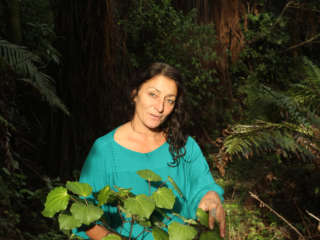
Welcome to East Creations Naturopath Specialist in Rotorua. A health investigator, gathering all the data required to determine what could be hindering your body's capacity to achieve equilibrium naturally.
Natural Health
Looking for natural health in Rotorua? You've arrived at the perfect resource for connecting with qualified natural health practitioners who provide holistic approaches to wellbeing. Whether you're seeking naturopathic care, herbal medicine, nutritional therapy, or other complementary health services, Rotorua's natural health community offers diverse treatment options addressing various health concerns.
From managing chronic conditions and hormonal imbalances to supporting digestive health and overall wellness, natural health practitioners work with your body's inherent healing capacity using evidence-based natural therapies. These professionals often work alongside conventional medical care, providing complementary support that addresses underlying causes rather than just symptoms. Our directory features natural health practitioners throughout Rotorua, helping you find qualified professionals offering personalised care for your health journey.
Featured Natural Health Listings
Natural Health Map
Understanding Naturopathic Medicine
Naturopathic medicine represents a comprehensive healthcare system focusing on supporting the body's inherent healing abilities through natural therapies and lifestyle approaches. Naturopaths take holistic views of health, considering physical, mental, emotional, and environmental factors affecting wellbeing rather than simply treating isolated symptoms. Initial consultations typically last 60 to 90 minutes, allowing practitioners to thoroughly understand your health history, current concerns, lifestyle factors, and health goals. This comprehensive assessment forms the foundation for personalised treatment plans. Naturopaths use various therapeutic approaches including herbal medicine prescribing plant-based remedies addressing specific health concerns, nutritional therapy providing dietary recommendations and supplement protocols, lifestyle counselling addressing sleep, stress management, and exercise, and various physical therapies depending on practitioner training. Treatment plans aim to identify and address root causes of health issues rather than merely suppressing symptoms. Qualified naturopaths in New Zealand typically hold Bachelor degrees or Advanced Diplomas in Naturopathy from recognised institutions, with many registering with professional organisations like Naturopaths & Medical Herbalists of New Zealand ensuring ongoing professional development and adherence to ethical standards.
Herbal Medicine and Plant-Based Remedies
Herbal medicine, also called phytotherapy or botanical medicine, uses plants' therapeutic properties to prevent and treat various health conditions. Medical herbalists prescribe herbs in various forms including liquid extracts or tinctures providing concentrated plant compounds, tablets and capsules offering convenient dosing, teas and infusions for gentle, nourishing effects, and topical preparations like creams and ointments for skin conditions. Herbal prescriptions are individualised based on your specific needs, constitution, and health concerns rather than taking one-size-fits-all approaches. Practitioners consider herb-drug interactions, ensuring herbal medicines complement rather than interfere with any pharmaceutical medications you're taking. Herbal medicine addresses numerous conditions including digestive problems, hormonal imbalances, immune system support, skin conditions, stress and anxiety, sleep disturbances, and chronic pain. Quality is paramount—registered medical herbalists source herbs from reputable suppliers meeting quality and safety standards. They understand plant constituents, therapeutic actions, appropriate dosing, and contraindications. Some herbalists operate dispensaries, preparing fresh herbal medicines tailored specifically to your prescription rather than using off-the-shelf products. This individualised approach allows precise matching of herbal remedies to your particular health situation.
Nutritional Therapy and Dietary Support
Nutritional therapy recognises food as medicine, using dietary approaches to prevent disease, support healing, and optimise health. Natural health practitioners with nutritional training assess your current diet, identify nutritional deficiencies or imbalances, and provide personalised dietary recommendations supporting your health goals. This might include whole food dietary approaches emphasising unprocessed, nutrient-dense foods, elimination diets identifying food sensitivities or intolerances affecting symptoms, therapeutic diets for specific conditions like digestive disorders or metabolic issues, and nutritional supplementation addressing deficiencies or increased requirements. Practitioners consider bio-individuality—recognising that optimal diets vary between individuals based on genetics, lifestyle, health status, and personal preferences. Rather than prescribing restrictive diets, good nutritional therapy focuses on sustainable, enjoyable eating patterns supporting long-term health. Practitioners educate about nutrient functions, food quality, meal planning, and practical cooking strategies making dietary changes achievable. They might recommend functional testing including food sensitivity testing, nutritional status assessments, or gut microbiome analysis providing detailed information guiding treatment plans. Nutritional therapy proves particularly valuable for digestive conditions, metabolic disorders, cardiovascular health, hormonal balance, skin conditions, energy and fatigue, and mental health support. Combining nutritional approaches with other natural therapies often produces synergistic benefits.
Functional Medicine and Testing
Functional medicine represents an evidence-based approach addressing underlying biochemical, genetic, and lifestyle factors contributing to health problems. Rather than simply treating symptoms, functional medicine practitioners investigate why problems occur, using comprehensive testing to identify imbalances and dysfunctions. Available functional tests include comprehensive digestive stool analysis assessing gut microbiome, digestive function, and inflammation markers, hormone testing evaluating sex hormones, thyroid function, adrenal hormones, and metabolic markers, food sensitivity testing identifying immune reactions to specific foods, nutrient status testing measuring vitamin, mineral, and essential fatty acid levels, and genetic testing examining variants affecting metabolism, detoxification, and disease susceptibility. Test results inform targeted treatment protocols addressing identified imbalances. For example, gut testing revealing bacterial overgrowth guides antimicrobial herbal protocols and dietary changes, whilst hormone testing showing oestrogen dominance directs specific herbal medicines and lifestyle modifications. Functional medicine particularly benefits complex, chronic conditions not responding well to conventional approaches. Practitioners interpret test results within broader health contexts, considering how various systems interact rather than viewing results in isolation. This integrative approach often reveals connections between seemingly unrelated symptoms, allowing comprehensive treatment addressing multiple issues simultaneously.
Women's Health and Hormonal Support
Natural health practitioners frequently specialise in women's health, addressing hormonal imbalances and reproductive concerns throughout life stages. Common areas include menstrual cycle irregularities like painful periods, heavy bleeding, or irregular cycles, premenstrual syndrome managing mood changes, bloating, and physical symptoms, polycystic ovary syndrome addressing metabolic and hormonal aspects of PCOS, endometriosis providing pain management and anti-inflammatory support, fertility support preparing both partners for conception, pregnancy care providing safe natural support during pregnancy, and menopause management addressing hot flushes, sleep disturbances, and emotional changes. Natural approaches to hormonal health include herbal medicines with hormonal balancing properties, nutritional support providing building blocks for hormone production, stress management techniques since stress significantly impacts hormonal balance, and lifestyle modifications including sleep optimisation and exercise. Practitioners recognise hormonal health affects overall wellbeing—addressing mood, energy, skin health, weight management, and quality of life beyond just reproductive function. They work collaboratively with conventional healthcare providers, complementing medical treatment with natural support. For conditions like PCOS or endometriosis, integrative approaches combining medical management with natural therapies often achieve better outcomes than either approach alone. Thorough assessment includes detailed menstrual cycle tracking, symptom patterns, and sometimes hormone testing providing objective data guiding treatment.
Digestive Health and Gut Support
Digestive health represents a cornerstone of natural health practice, with practitioners recognising gut health profoundly influences overall wellbeing. Common digestive concerns addressed include irritable bowel syndrome, small intestinal bacterial overgrowth, food intolerances and sensitivities, inflammatory bowel conditions, reflux and heartburn, constipation or diarrhoea, and bloating and gas. Natural approaches to digestive health include comprehensive gut assessment identifying underlying causes rather than just managing symptoms, antimicrobial herbal protocols addressing bacterial, fungal, or parasitic overgrowth, gut healing protocols using herbs and nutrients repairing intestinal lining, dietary modifications removing triggers whilst ensuring adequate nutrition, probiotic and prebiotic therapy supporting beneficial gut bacteria, and digestive enzyme support improving breakdown and absorption of nutrients. Practitioners understand gut-brain connections, recognising digestive issues often relate to stress, anxiety, or mood disorders. They also appreciate gut health affects immune function, skin conditions, energy levels, and hormonal balance—making digestive support relevant even when gut symptoms aren't the primary complaint. Functional digestive testing provides valuable information about gut microbiome composition, digestive enzyme function, inflammation levels, and gut barrier integrity. Treatment plans typically unfold in stages—first removing problematic organisms or triggers, then repairing gut lining, reintroducing beneficial bacteria, and finally maintaining gut health through ongoing dietary and lifestyle practices.
Stress Management and Mental Wellbeing
Natural health practitioners recognise stress profoundly impacts physical and mental health, addressing stress-related conditions through various approaches. Mental health support includes anxiety and panic disorders, depression and low mood, stress and burnout, sleep disturbances and insomnia, and fatigue and exhaustion. Natural approaches to mental wellbeing include adaptogenic herbs helping bodies respond more effectively to stress, nervine herbs supporting nervous system function and promoting relaxation, nutritional support for neurotransmitter production and nervous system health, lifestyle counselling addressing sleep hygiene, work-life balance, and stress triggers, and mind-body techniques including breathing exercises, meditation guidance, and relaxation practices. Practitioners understand mental health connects intimately with physical health—addressing gut health, hormonal balance, blood sugar regulation, and inflammation often improves mental wellbeing. They work carefully with people taking psychiatric medications, ensuring herbal medicines complement rather than interfere with pharmaceutical treatments. For serious mental health conditions, natural health practitioners work as part of broader care teams including GPs, psychiatrists, and psychologists rather than replacing specialist mental health care. They provide valuable support for mild to moderate conditions, stress prevention, and enhancing wellbeing alongside conventional treatment for more serious conditions. Approaches focus on building resilience, supporting underlying biochemistry, and providing practical tools for daily stress management.
Immune System Support
Supporting immune function represents another key area of natural health practice, helping prevent infections and supporting recovery when illness occurs. Immune support applications include frequent colds and flu, recurrent infections, post-viral fatigue, seasonal allergies and hay fever, autoimmune conditions, and general immune resilience. Natural approaches to immune health include immunomodulating herbs balancing immune responses, antimicrobial herbs with antiviral, antibacterial, or antifungal properties, nutritional support providing vitamins and minerals essential for immune function, lifestyle factors including adequate sleep, stress management, and appropriate exercise, and gut health optimisation since significant immune function occurs in digestive system. Practitioners distinguish between immune stimulation needed for acute infections and immune modulation required for autoimmune conditions where immune systems are overactive rather than underactive. For autoimmune conditions, treatment focuses on reducing inflammation, supporting gut barrier function, identifying food triggers, and using herbs that regulate rather than stimulate immune responses. Preventative immune support proves particularly valuable during winter months or for people with increased infection susceptibility. Rather than waiting until illness occurs, proactive support through dietary optimisation, appropriate supplementation, and lifestyle practices reduces infection frequency and severity. For recurrent infections, practitioners investigate underlying causes like nutritional deficiencies, chronic stress, or gut dysbiosis rather than repeatedly treating individual infection episodes.
Complementary Cancer Care
Some natural health practitioners specialise in integrative oncology, providing complementary support for people undergoing cancer treatment or in remission. This complementary care works alongside conventional cancer treatment rather than replacing it. Support areas include managing treatment side effects like nausea, fatigue, and immune suppression, nutritional support maintaining strength and supporting healing, herbal medicines with research showing benefits alongside conventional treatment, stress management and emotional support, and survivorship care supporting recovery and reducing recurrence risk. Practitioners working in this area have specialised training understanding cancer biology, conventional treatments, and safe integration of natural therapies. They recognise certain herbs and supplements can interfere with chemotherapy or radiation, carefully selecting supportive therapies that complement rather than compromise treatment effectiveness. Communication with oncology teams ensures coordinated care. Evidence-based approaches draw on research demonstrating specific natural therapies' benefits. For example, certain herbal medicines help manage chemotherapy-induced nausea, specific nutrients support immune function during treatment, and mind-body practices improve quality of life and potentially treatment outcomes. This integrative approach acknowledges conventional cancer treatment's life-saving importance whilst recognising natural therapies' valuable supportive role.
Choosing Your Natural Health Practitioner
Selecting appropriate natural health practitioners involves several important considerations. Verify qualifications—registered naturopaths typically hold Bachelor degrees or Advanced Diplomas in Naturopathy from recognised institutions. Check professional registration with organisations like Naturopaths & Medical Herbalists of New Zealand or New Zealand Association of Medical Herbalists, indicating commitment to professional standards and ongoing education. Consider practitioners' areas of special interest or expertise, as many focus on particular health concerns like women's health, digestive issues, or chronic conditions. Read reviews from previous clients noting comments about practitioner approach, communication quality, and outcomes achieved. Many practitioners offer free initial phone consultations allowing you to assess whether their approach suits your needs and whether you feel comfortable with them—therapeutic relationships work best when good rapport exists. Discuss treatment philosophy and approaches during initial contact. Ask about experience with your particular health concerns and their typical treatment approaches. Clarify fees, consultation lengths, and expected treatment duration—natural health treatment often requires several months for optimal results, particularly for chronic conditions. Verify whether they work collaboratively with GPs and specialists, which proves important for coordinated care. Our directory provides comprehensive information about Rotorua natural health practitioners including their qualifications, specialisations, and contact details, helping you find professionals well-suited to your health needs and preferences.